

A Simple Ayahuasca Alternative
Anahuasca

The modern Ayahuasca tourism scene? Honestly, it’s concerning.
Predatory shamans.
Dangerous admixtures.
Endangered Banisteriopsis caapi vine.
Yuppie “aya” ceremonies.
At the heart of this sacred Amazonian brew, the original intentions were pure.
But as the world spilled the tea—or should I say brew—on Ayahuasca, the capitalist machine kicked into overdrive.
What was once revered is now repackaged and sold.
There’s a better way
Sure, there are still good retreats and genuine stewards of this medicine out there.
But the space is riddled with problems: dangerous additives (such as deliriants like Datura or Brugmansia), exploitative tourism, and ecological strain.
Instead of feeding the machine and running into the modern Ayahuasca issues, consider the alternatives.
The analogs.
The paths that honor the spirit, not the spectacle.
What Ayahuasca actually is
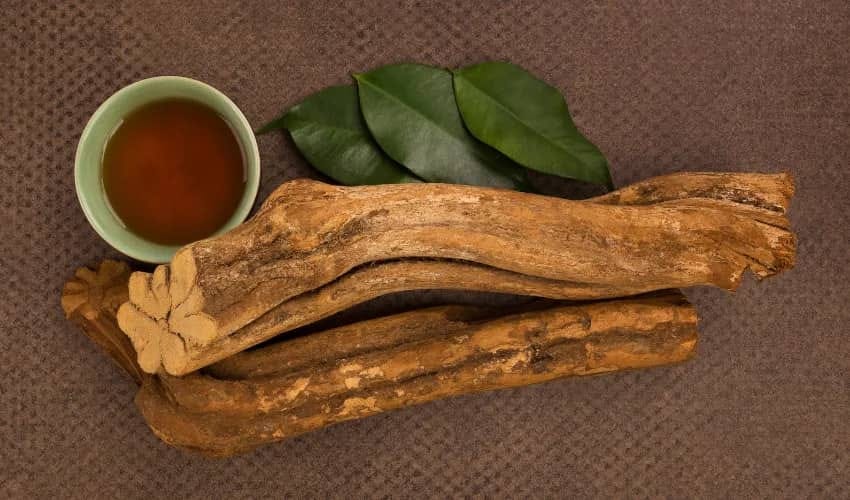
Ayahuasca (Quechua for “vine of the soul”) is a sacred Amazonian brew made from plants containing:
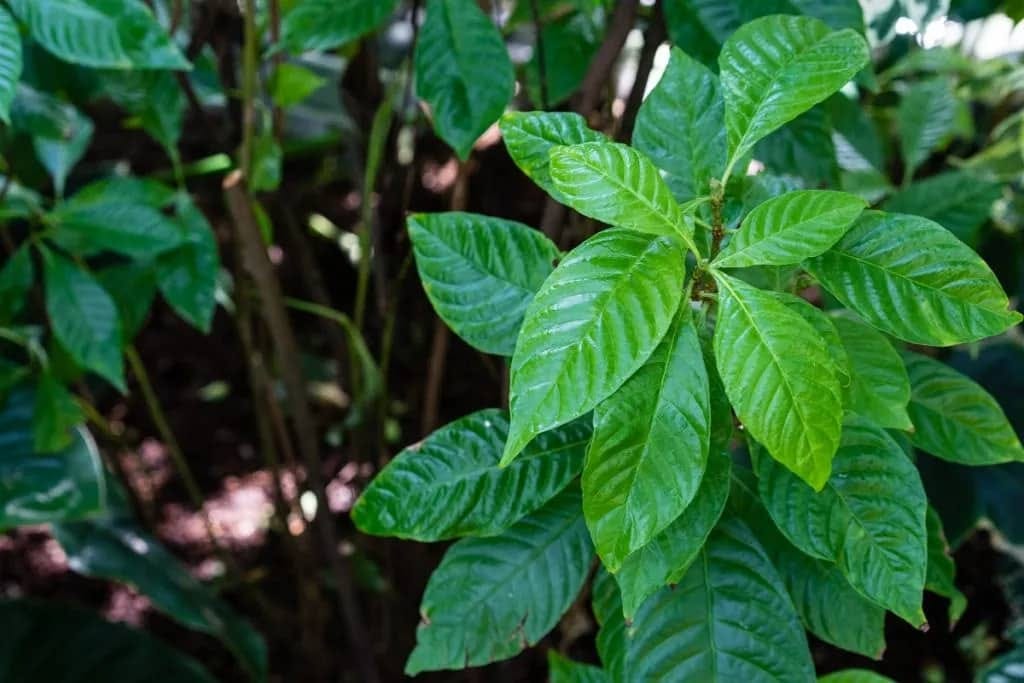
Dimethyltryptamine (DMT) — the psychedelic compound. Traditionally, this comes from Chacruna (Psychotria viridis).
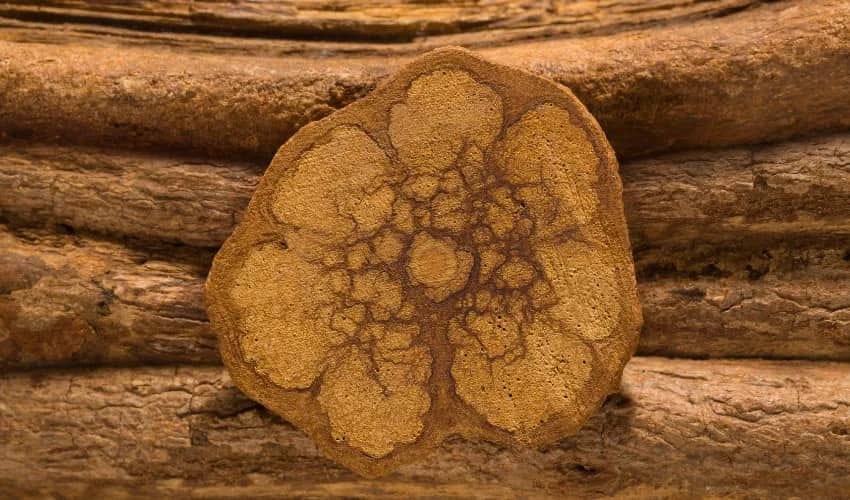
β-carbolines (harmine, harmaline, tetrahydroharmine, etc.) — the enzyme blockers that make DMT orally active. These are found in the endangered vine, Banisteriopsis caapi.
Together, they create one of the most potent visionary medicines on Earth.
One cup can transport you into vivid dreamscapes—serpents of light, mandalas of color, and realms that feel beyond time.
For centuries, tribes like the Shipibo, Huni Kuin, Inga, and Kichwa have used Ayahuasca for healing, divination, and communion with the spirit world.
Why take Ayahuasca
Both the visionary (DMT) and non-visionary (β-carboline) components of Ayahuasca are showing remarkable promise for mental, emotional, and even physiological healing.
Research points to potential benefits for:
Treatment-resistant depression and major depressive disorder [1,2]
Anxiety and stress reduction [3]
Addiction and substance use recovery [4]
Enhanced psychological well-being, mindfulness, and emotional regulation [5]
Ayahuasca analogs
The magic of Ayahuasca isn’t limited to the Amazon.
Its pharmacological recipe—DMT + β-carbolines—can be mirrored using nontraditional, sustainable plants known as Ayahuasca analogs, or Anahuasca.
While many plants contain DMT and β-carbolines (I’ll cover more in another issue), the most potent, effective, and well-tolerated combination I’ve found is:
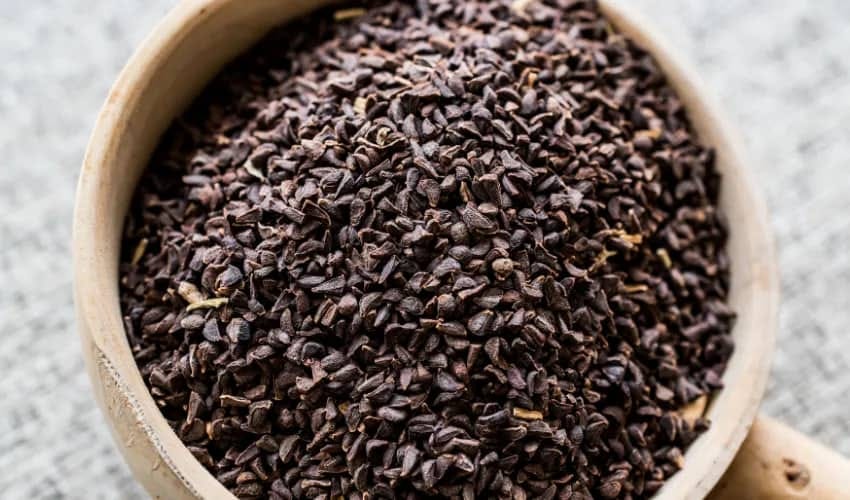
Syrian Rue (Peganum harmala) seeds — contain the β-carbolines
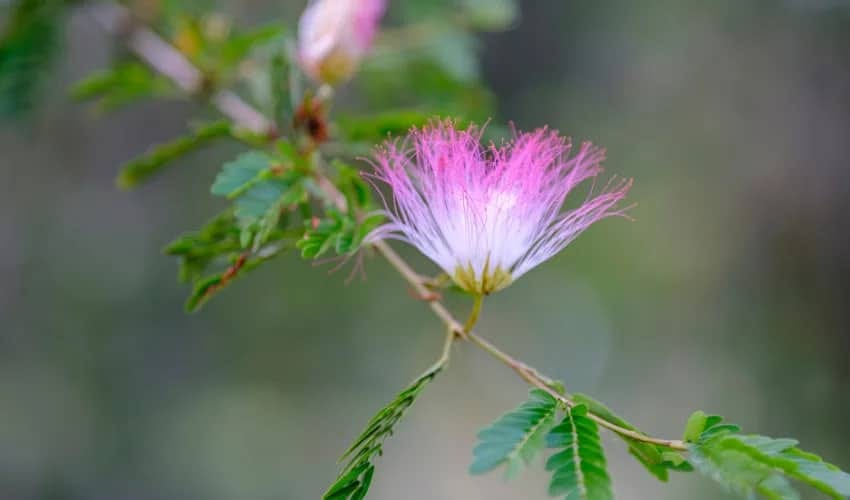
Jurema (Mimosa hostilis syn. tenuiflora) root bark — contains DMT
I prefer this method because:
The plants are legal and easy to find
It’s simpler and faster to prepare
It causes less nausea and vomiting (Syrian Rue isn’t emetic)
It’s more sustainable than harvesting B. caapi vines
Anahuasca — simple preparation guide
(for educational purposes only)
Ingredients (per person)
3 g Syrian Rue, finely ground
9 g Jurema root bark, shredded
Distilled water
Lemon or lime juice (citric acid helps extract alkaloids)
Preparation
1) Boil the Jurema root bark
Add the root bark to a small pot with about 250–300 ml of distilled water and a squeeze of lemon or lime juice.
Simmer gently for 20–30 minutes.
Strain and save the liquid.
2) Prepare the Syrian Rue
Grind 3 g of seeds into a fine powder.
Soaked in water and swallowed or taken in capsules.
3) Timing the doses
Wait 15–30 minutes after ingesting the Syrian Rue.
Then drink the Jurema brew slowly over several minutes.
And then... BLAST OFF!
But, as always, mind your 4S Psychedelic Principles before take off!
Safety
While Ayahuasca and Anahuasca are generally considered safe when used responsibly, it’s crucial to understand the potential risks and contraindications.
Side effects
As much as I believe in the transformative power of psychedelics, the reality is that with experiences this deep, side effects can (and do) occur—including:
Nausea
Vomiting (less common with Anahuasca)
Diarrhea
Increased heart rate and blood pressure
Paranoia or panic
Temporary disorientation or confusion
Potential drug interactions
Because Banisteriopsis caapi (and Syrian Rue) act as MAO inhibitors—what makes DMT orally active—mixing them with certain medications or supplements can be extremely dangerous, even life-threatening.
Avoid combining it with:
Antidepressants
SSRIs, SNRIs, MAOIs, tricyclics, atypicals, etc. (high risk)
Stimulants
Amphetamines, methylphenidate, Modafinil, cocaine, etc.
Psychiatric / Neurological meds
Antipsychotics, mood stabilizers, benzodiazepines, opioids, etc.
Supplements
St. John’s Wort, Rhodiola rosea, 5-HTP / L-Tryptophan, SAM-e, Saffron
Contraindicated conditions
While these visionary brews can be profoundly healing, they should be completely avoided in cases of:
Schizophrenia, psychosis, or family history of psychotic disorders
Bipolar disorder (especially manic or mixed states)
Heart disease, arrhythmias, hypertension, or stroke history
Epilepsy or seizure disorders
Parkinson’s disease
Pregnancy or breastfeeding
The bottom line
You don’t have to feed the capitalist machine that’s co-opted Ayahuasca.
And you don’t have to trek deep into the Amazon to experience its profound effects—though if the opportunity arises, it can be life-changing.
Just tread carefully and do your research.
Because behind the glossy “spiritual tourism” facade, there are predatory shamans, exploitative retreats, and tragic stories of abuse. Some brews are even “enhanced” with dangerous plants like Brugmansia, turning a powerful experience into a nightmarish ordeal.
Personally, I prefer Anahuasca, specifically Jurema with Syrian Rue. It’s more accessible, legal in many regions, and easier to prepare.
Syrian Rue isn’t emetic, meaning far less nausea and no purging. You don’t have to puke your guts out to find insight!
I’m curious…
Have you worked with Ayahuasca before?
What was your experience like?
Or are you more interested in exploring the Anahuasca route instead?
Hit reply and let me know.
— Onjae