
Psychedelic Matchmaker (Finding Your Medicine)
Mescaline vs Psilocybin vs LSD

There isn’t a one-size-fits-all psychedelic.
Just different medicines that teach you different things.
Sometimes you have to find your medicine. Sometimes it finds you, showing up at just the right moment and presenting an opportunity to gather exactly the insight you need.
Or maybe you’re drawn to different medicines at different chapters of your life.
While I enjoyed mushrooms, LSD was the medicine that shaped my teenage years. It was a powerful catalyst, leading to countless profound experiences.
But as time went on, something shifted.
I found myself reaching for mushrooms more often. Then another shift happened.
I stopped reaching for anything synthetic altogether and found myself drawn almost exclusively to the entheogenic plants and fungi so graciously given by Mother Nature.
That’s what eventually led me to cactus and mescaline, which feels like the medicine for this chapter of my life of cultivating wisdom.
I guess what I’m trying to get at is that experimentation is the name of the game.
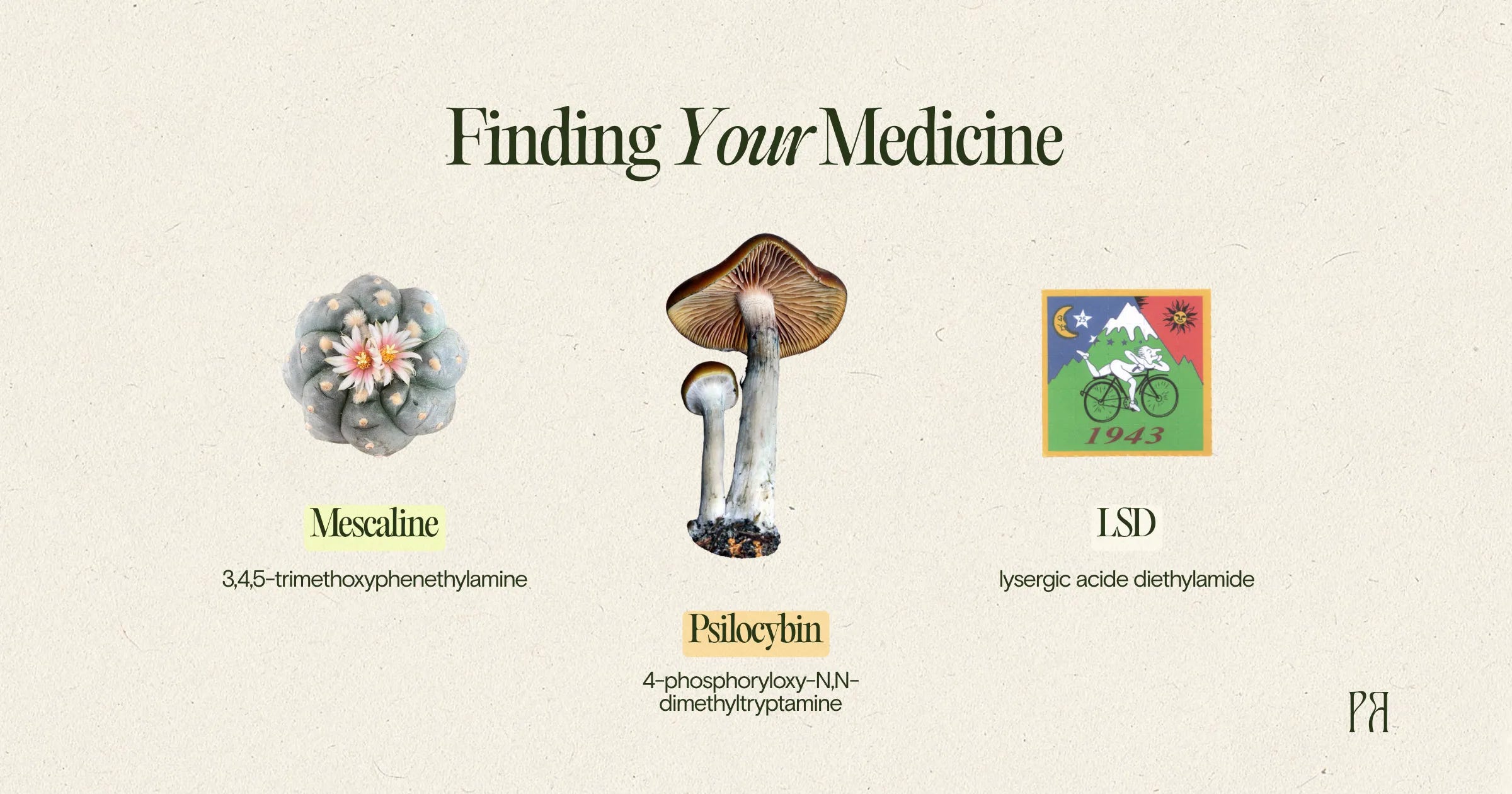
So to help you along your own psychedelic journey and healing path, and find your medicine, let’s explore three of the most common psychedelics: mescaline, psilocybin, and LSD (all of which hold a special place in my heart).
We’ll cover their origins, chemistry, pharmacology, dosage, effects, and the unique “vibe” of each.
I know, I know… DMT probably deserves a place on this list. But for the sake of brevity, and because these are the medicines many people are most likely to encounter first, these are the best places to begin.
Without further ado, let’s take a trip together.
Just so you know, this is an entirely reader-supported publication. This newsletter is free, but if you can support, please consider a paid subscription. It helps me enormously, and you’ll get:
Subscriber-only posts, full archive & join the community (the Plant Medicine Guild)
Monthly Product Reviews from inside my Psychedelic Sourcing Master List
FULL access to all current & future psychedelic guides, courses/workshops (the Mescaline & San Pedro workshop is coming soon)
I appreciate you!
Finding Your Medicine: Mescaline vs Psilocybin vs LSD
Before we compare them, let’s get acquainted with each one: what it is, where it comes from, how it’s been used throughout history, and what modern science has to say.
Mescaline
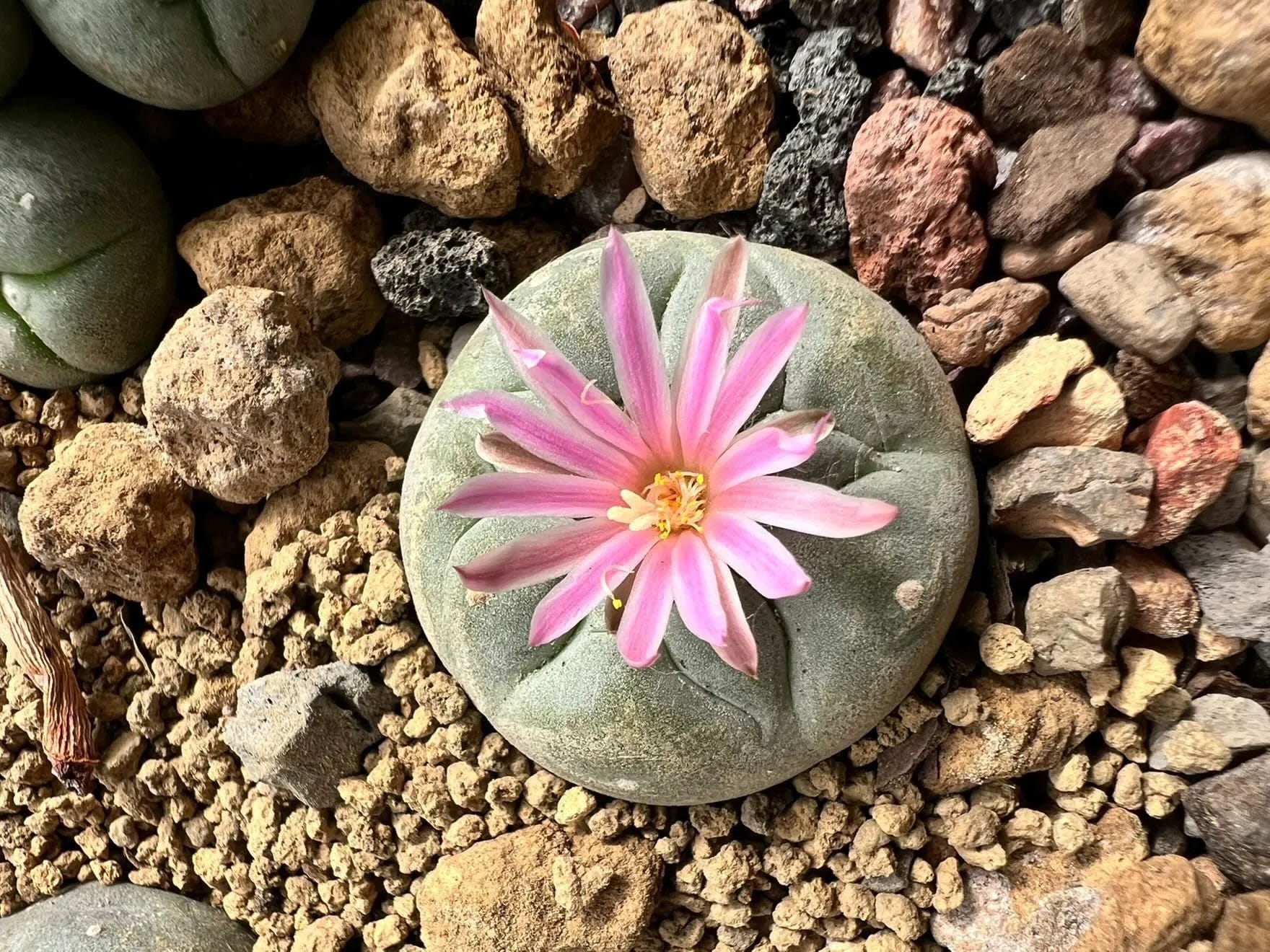
Mescaline (3,4,5-trimethoxyphenethylamine) is a naturally occurring psychedelic compound found in several cacti, most notably peyote (Lophophora williamsii) [1] and the San Pedro cactus group (Echinopsis pachanoi, E. peruviana, E. lageniformis, and relatives) [2]. However, it also occurs in dozens of species at lower concentrations.
Archaeological evidence suggests mescaline is one of humanity’s oldest known psychedelics, with ceremonial use of San Pedro dating back at least 10,600 years [3] in the Andes and peyote use reaching 5,700 years [4] in North America.
Thousands of years later, mescaline became the first psychedelic to be extensively studied by Western scientists, laying much of the groundwork for psychedelic research from the late 1800s through the mid-1900s [5].
Psilocybin
Psilocybin (4-phosphoryloxy-N, N-dimethyltryptamine) is the primary psychedelic chemical found in several genera of mushrooms, most notably Psilocybe, which alone contains more than 150 psychoactive species [6].
But remember, even though psilocybin is the main alkaloid, once ingested, it is converted into psilocin (4-hydroxy-N, N-dimethyltryptamine), which is primarily responsible for its psychedelic effects [7]. Yet, they are still called “psilocybin mushrooms,” so just go with it.
Archaeological evidence suggests psilocybin mushrooms have been used ceremonially by Indigenous peoples in Mesoamerica for at least 3,000 years [8], with traditions likely stretching back even further.
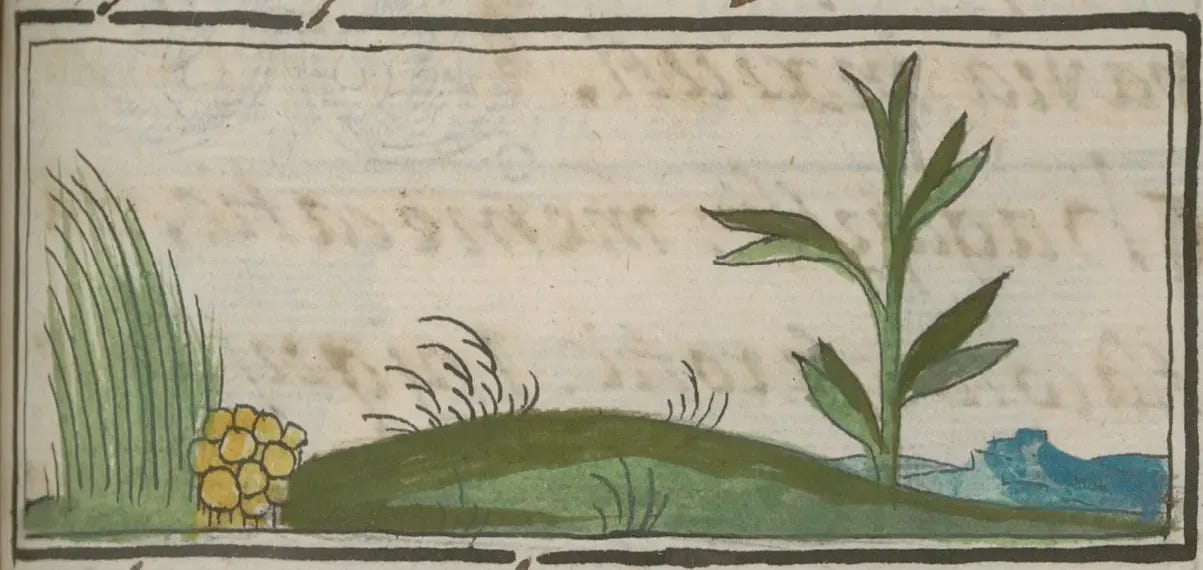
Following the Spanish conquest, friar Francisco de Sahagún documented their continued ceremonial use among the Aztecs, who referred to them as teōnanācatl, or “flesh of the gods.” [9]
Today, psilocybin is the most extensively studied classic psychedelic and has shown promising results in clinical research for depression, anxiety, addiction, post-traumatic stress disorder (PTSD), and end-of-life distress [10].
LSD
LSD (lysergic acid diethylamide), also known as LSD-25, is a semi-synthetic psychedelic first synthesized in 1938 by Swiss chemist Albert Hofmann from lysergic acid, an ergot alkaloid produced by the fungus Claviceps purpurea. [11]
The “25” denotes that it was the 25th compound in Hofmann’s series of experiments while searching for new circulatory and respiratory stimulants.
Although initially shelved, Hofmann rediscovered LSD’s extraordinary psychedelic effects in 1943 following an accidental exposure, later embarking on the world’s first intentional LSD experience, an event now commemorated as Bicycle Day.
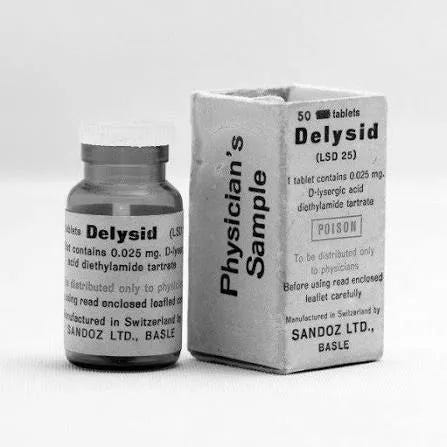
LSD quickly became the most influential psychedelic of the 20th century, shaping neuroscience, psychiatry, psychology, spirituality, and the counterculture of the 1960s.
Today, a new wave of clinical research is once again exploring its potential for conditions such as anxiety, depression, addiction, and more [12].
Chemistry and Pharmacology
Now that we’ve met each medicine, let’s look under the hood.
How do they work in the brain?
Why do they feel different?
And why does one require micrograms while another takes hundreds of milligrams?
Although mescaline, psilocybin, and LSD come from different sources and belong to different chemical families, they all produce their psychedelic effects in remarkably similar ways.
All three are classic serotonergic psychedelics [13], meaning they produce their effects primarily by activating the 5-HT₂A serotonin receptor [14,15].
This activation allows normally distinct brain networks to communicate more freely, giving rise to the changes in perception, emotion, cognition, and sense of self that characterize the psychedelic experience.
Where they differ is in their chemistry.
Psilocybin is a tryptamine that closely resembles serotonin. After ingestion, it acts as a prodrug and is rapidly converted into psilocin, the compound that crosses the blood-brain barrier and activates serotonin receptors. [16]
LSD is an ergoline. Alongside its powerful activity at serotonin receptors, it also interacts with dopamine and adrenergic receptors [17]. This broader receptor profile likely contributes to its extraordinary potency, long duration, and stimulating, analytical character.
Mescaline is a phenethylamine, making it structurally more similar to norepinephrine than serotonin. Despite this, it still produces its psychedelic effects primarily through the same 5-HT₂A serotonin receptor as LSD and psilocybin. It also shows modest activity at adrenergic receptors [1], which may contribute to the gentle physical energy many people report.
So even though these compounds belong to three entirely different chemical families—phenethylamines, tryptamines, and ergolines—their primary mechanism is remarkably similar.
Their biggest differences aren’t how they work, but how strongly they bind to those receptors, along with their potency, dosage, onset, duration, effects, and overall character.
That’s where these medicines begin to diverge.
Potency and Dose
Remember that every classic psychedelic has a spectrum of doses. The ranges below represent a typical psychedelic experience, not a threshold, museum, or heroic dose.
Mescaline is the least potent of the three, largely because it binds less strongly to the brain’s 5-HT₂A serotonin receptors.
As a result, a standard experience typically requires 200–400 mg of pure mescaline [14], equivalent to roughly 7–13 grams of dried peyote (assuming ~3% mescaline) or 20–40 grams of dried San Pedro (assuming ~1% mescaline).
By comparison, a typical psilocybin experience contains around 20–40 mg of psilocybin [18], or about 2–4 grams of dried Psilocybe cubensis, assuming an average concentration of approximately 1%.
LSD is in a league of its own. A standard experience requires just 50–200 micrograms (μg) [19], roughly half to two blotters (the absorbent square paper LSD is commonly applied to).
To put that into perspective, 1 milligram contains 1,000 micrograms, meaning LSD is active in mere millionths of a gram.
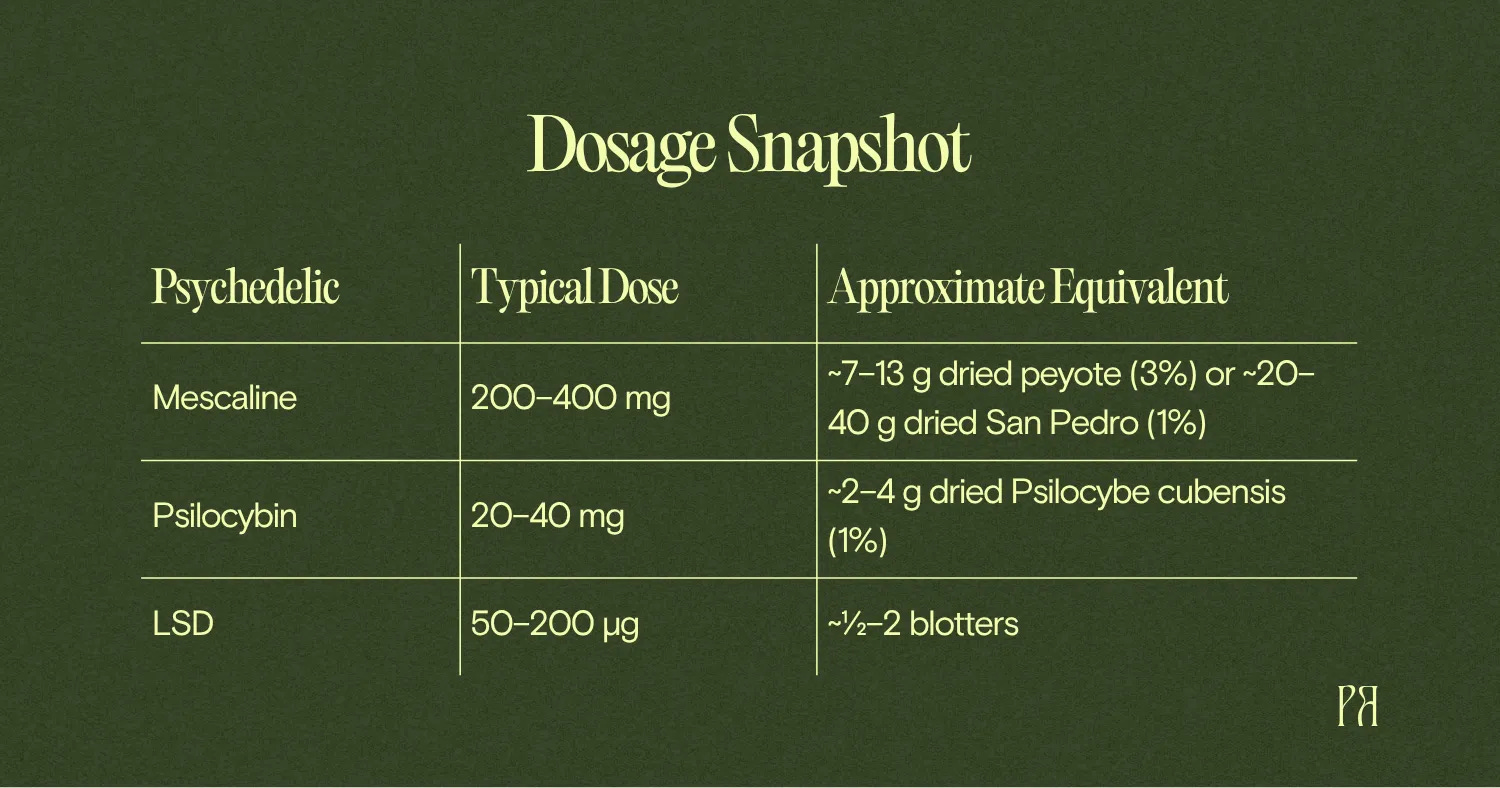
On average:
Psilocybin is about 20 times more potent than mescaline
While LSD is approximately 2,000 times more potent [14]
Yet despite these enormous differences in dose, all three are capable of producing experiences of comparable intensity.
Effects and Overall Character or “Vibe”
So far, we’ve explored what these medicines are, where they come from, and how they work in the brain. But there’s one thing that’s much harder to capture with receptor diagrams and clinical trials, their overall character.
Science can explain how these medicines work and the effects they tend to produce.
Across controlled studies, mescaline [14], psilocybin [15], and LSD [20] produce remarkably similar experiences because they all primarily activate the same 5-HT₂A serotonin receptor.
As a result, they share many of the hallmark features of the classic psychedelic experience:
Visual distortions and geometric patterns
Intensified colors and sensory perception
Altered sense of time
Changes in thinking and perception
Mystical or spiritual experiences
Feelings of unity and interconnectedness
Emotional openness and positive mood
Yet ask almost anyone who has spent meaningful time with these medicines, and a more nuanced picture begins to emerge.
Across thousands of trip reports, Indigenous traditions, and my own experiences, each medicine seems to have its own distinct personality.
Of course, every journey is shaped by the dose, your mindset, your environment, and countless other variables, so no two experiences are ever identical. But certain themes appear often enough that they’re worth exploring.
Mescaline
Mescaline and the cacti that contain it have often been described as the “grandfather” of the classic psychedelics, gentle, patient, but deeply wise.
Compared with psilocybin or LSD, mescaline often feels less confusing and less cognitively disorienting. Thoughts tend to remain coherent, making it easier to reflect, communicate, and connect with others while still entering profoundly altered states of consciousness.
Its effects also feel distinctly embodied. Many people report a gentle physical energy, enhanced appreciation for nature, and a deep sense of gratitude, compassion, and interconnectedness.
Modern research has echoed these themes, with participants frequently describing experiences characterized by love, awe, connection, forgiveness, and enduring personal meaning [14].
Vibe: Warm, heart-opening, clear, energetic
Onset: 1–3 hours
Duration: >10–12 hours [24]
Psilocybin Mushrooms
Psilocybin often feels less like directing the experience and more like surrendering to it.
Rather than taking the wheel, mushrooms have a way of gently leading the journey, often bringing buried emotions, forgotten memories, and symbolic imagery to the surface.
The experience tends to feel organic and dreamlike. Visuals are often wavy, fluid, and fractal-like, with earthy tones and patterns that seem to breathe and come alive.
Thoughts unfold less like logical analysis and more like stories, metaphors, symbolism, and archetypes, creating the feeling that you’re wandering through the landscape of your own subconscious.
Compared with LSD and mescaline, mushrooms also tend to carry a heavier body load and are more sedating (at least for me). Common sensations include yawning, tingling, body temperature fluctuations, and occasional nausea during the come-up.
Yet this physical grounding often becomes part of the experience itself, encouraging stillness, introspection, and a deep connection with nature, self, and the present moment.
Vibe: Earthy, emotional, introspective, symbolic
Onset: 20–30 minutes
Duration: 4–6 hours [25]
LSD
If mushrooms feel like wandering through the landscape of your own subconscious, LSD often feels like turning on every light in the mind.
Compared with psilocybin, LSD is generally more stimulating, mentally lucid, and cognitively expansive. Thoughts can become extraordinarily detailed, making it feel as though the mind is operating at full resolution.
This heightened state often lends itself to exploring ideas, creativity, philosophy, music, and the intricate patterns underlying both the inner and outer world—although at higher doses it can also give rise to repetitive or looping thought patterns (not fun when you get stuck in a loop).
Visually, LSD is renowned for its crisp geometric patterns, kaleidoscopic imagery, vibrant colors, and heightened perception of detail.
Physically, it tends to feel lighter than mushrooms and noticeably more energizing, often accompanied by a subtle buzz, restlessness, or sense of electricity moving through the body.
Many people also describe LSD as having a distinctly cosmic quality, evoking a profound sense of wonder and fascination with the nature of consciousness itself.
Vibe: Bright, electric, analytical, cosmic
Onset: 1–3 hours
Duration: 9–12 hours [26]
Different Medicines, Different Chapters
These descriptions are, of course, broad generalizations. Every psychedelic experience is unique, shaped by the dose, your mindset, your environment, and where you are in life.
But if I had to summarize them in a sentence:
Mescaline feels like sitting beside a wise elder as the desert teaches you patience.
Psilocybin feels like taking a mystical walk through the forest of your own soul.
LSD feels like shining a laser pointer through the architecture of your mind.
None is inherently better than the others. They’re simply different teachers, each with their own lessons to offer.
And perhaps that’s the biggest lesson of all.
There isn’t a “best” psychedelic. There’s only the medicine that’s right for the chapter of life you’re in.
Or, depending on what you’re vibing with, and as I like to say, “different tokes for different folks.”
Sometimes you need something that helps you think differently. Sometimes you need something that helps you feel more deeply. Sometimes you need something that reminds you how beautiful it is to be alive.
Part of the journey is learning to recognize which teacher is calling you. Or perhaps, as I’ve come to believe, sometimes the teacher finds you first.
For me, LSD was the medicine of my youth. It shattered assumptions, sparked curiosity, and showed me there was far more to reality than I had ever imagined.
Later, mushrooms became the medicine of deep inner work. They helped me confront myself, heal old wounds, move through a complex chronic illness, and reconnect with nature in a way I never expected.
And lately, it’s been mescaline.
It feels like the medicine for this chapter of my life. Less about seeking answers and more about cultivating wisdom. Less about chasing extraordinary experiences and more about learning how to live an ordinary life extraordinarily well.
It’s like the grandfather I never had.
I’m curious...
What psychedelic is your medicine right now? Or has there been one that’s shown up at exactly the right time in your life?
Hit reply and let me know.
I’d genuinely love to hear your story.
Onjae
P.S. And to my fellow American readers, have a happy Independence Day!
I love your work! Great article ♥️
My medicine is DMT. Love shrooms and acid but when you have little kids at home it’s hard to find the time for those journeys so DMT fits my circumstances due to its 15 minute rocket ship to the 12th dimension.